Cooler Blocks, Kinder Breezes: Street-Level Microclimate Design
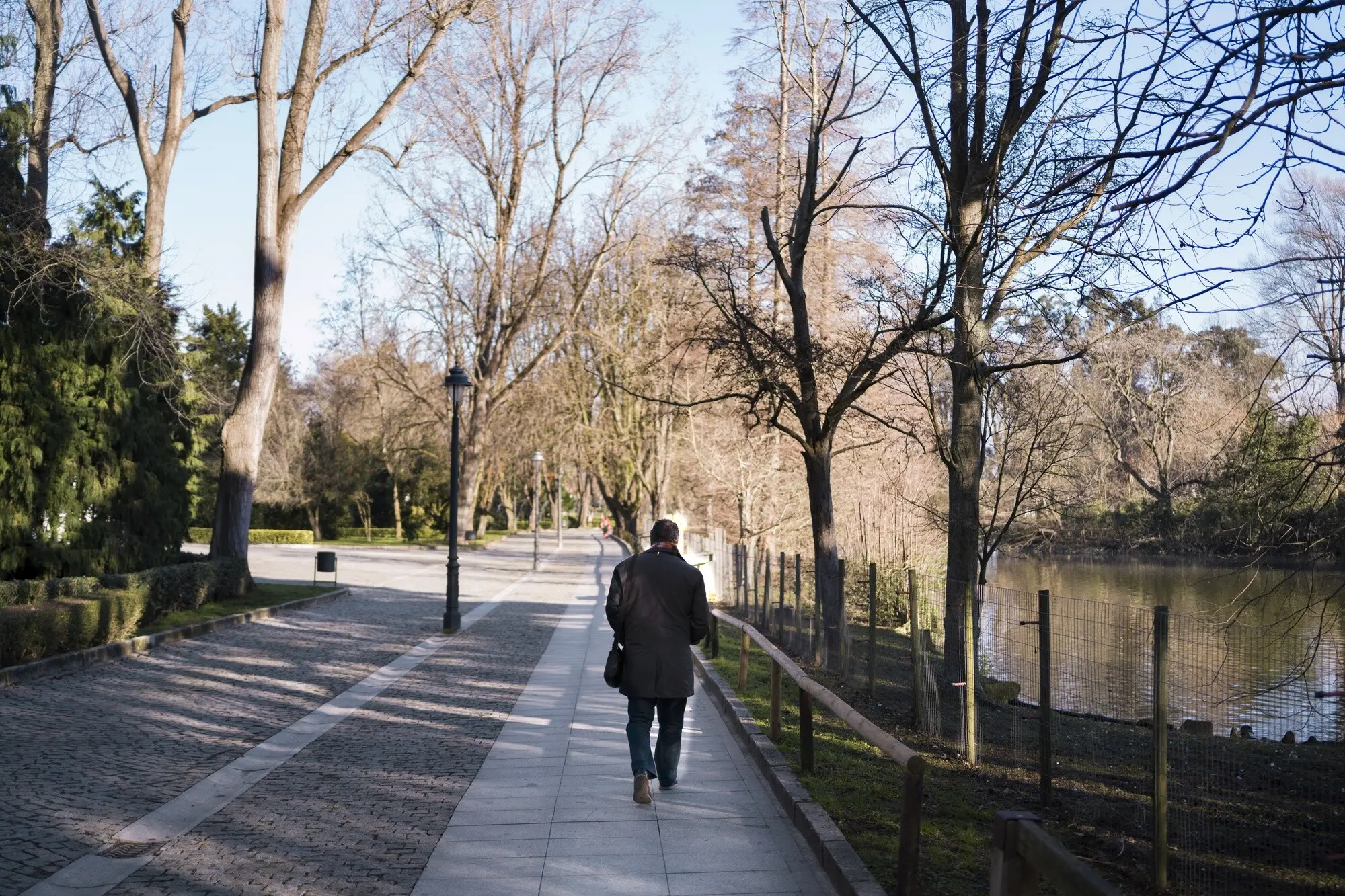
Step onto the sidewalk and feel how thoughtful design tames summer glare, channels breezes, and soothes overheated pavement. Today we explore microclimate tactics for shade, wind, and heat relief on city blocks, blending research, field-tested details, and neighborhood stories that turn harsh corridors into welcoming, walkable places. Bring your observations, questions, and curiosity, and help shape streets that care for bodies, businesses, and daily routines.

Reading the Street: Heat, Light, Air, and People

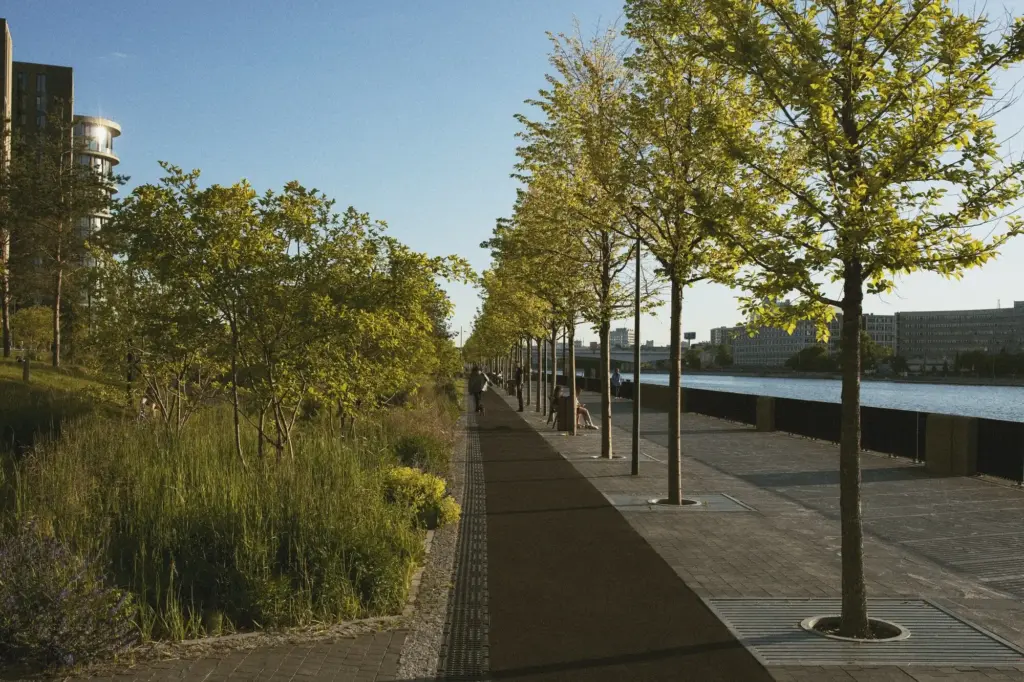
Before planting a single tree or stretching a canopy, start with what bodies feel at curb level. Measure shade over time, note wind gusts near corners, and track where people pause or avoid. Mean radiant temperature, surface temperatures, and humidity blend with building geometry to write the day’s comfort story. A block that bakes at noon might feel perfect at five, so timing and habits matter as much as hardware.

Urban Heat Island, Explained Simply

Cities absorb sunlight and release it slowly, turning walls and asphalt into overnight heaters. That stored energy raises nighttime temperatures and shortens recovery windows. On a busy block, shade trees, cool pavements, and water-sensitive landscaping interrupt the storage cycle. The effect is noticeable: shaded surfaces can be tens of degrees cooler than exposed ones, inviting errands, conversations, and safer trips for elders and kids during hot spells.

Why Shade Lowers Mean Radiant Temperature More Than Air Thermometers Suggest

Comfort is not only air temperature. Our skin negotiates radiant energy blasting from sun and hot facades. Dense, well-placed shade reduces mean radiant temperature sharply, often more than it drops the air reading. That’s why a pergola or leafy canopy can feel dramatically cooler than a bare corner with the same forecast. The right height, width, and orientation of shade structures determine how much relief bodies actually sense.

Choosing and Spacing Street Trees for Maximum Canopy
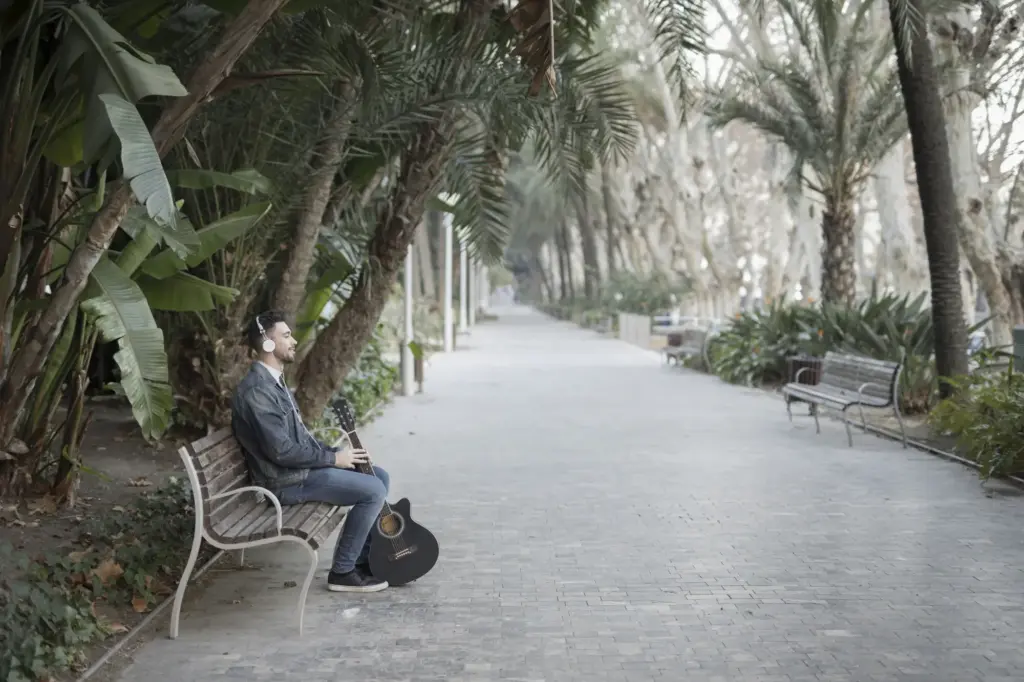
Select drought-tolerant, high-canopy species with branching that clears trucks yet closes gaps over sidewalks. Diversity matters for resilience against pests and heat stress. Stagger planting to knit overlapping shade around seating, crosswalk approaches, and loading zones. Water bags, root-friendly soil volumes, and permeable paving speed establishment. Within a few years, midday routes transform into green corridors where families linger, runners adjust pace, and storefronts gain loyal dwell time.

Awnings and Arcades That Welcome Light Without the Glare
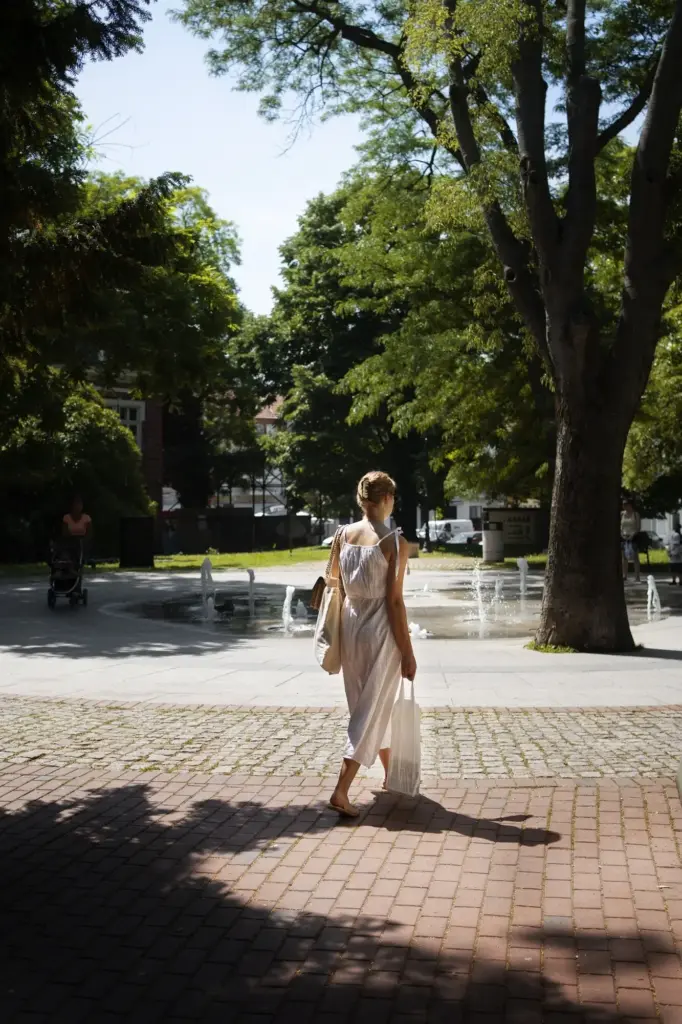
Retractable awnings let merchants tune daylight, visibility, and weather protection hour by hour. Light-colored undersides bounce softer light onto displays, reducing harsh contrast. Where building codes allow, shallow arcades or colonnades can shelter entire frontage lengths. Coordinate colors, drainage, signage, and mounting heights across neighbors so the street reads coherent rather than cluttered. When alignment clicks, the pedestrian realm feels deliberate, elegant, and consistently comfortable through sudden showers or heat.

Pergolas, Climbers, and Seasonal Fabric Canopies
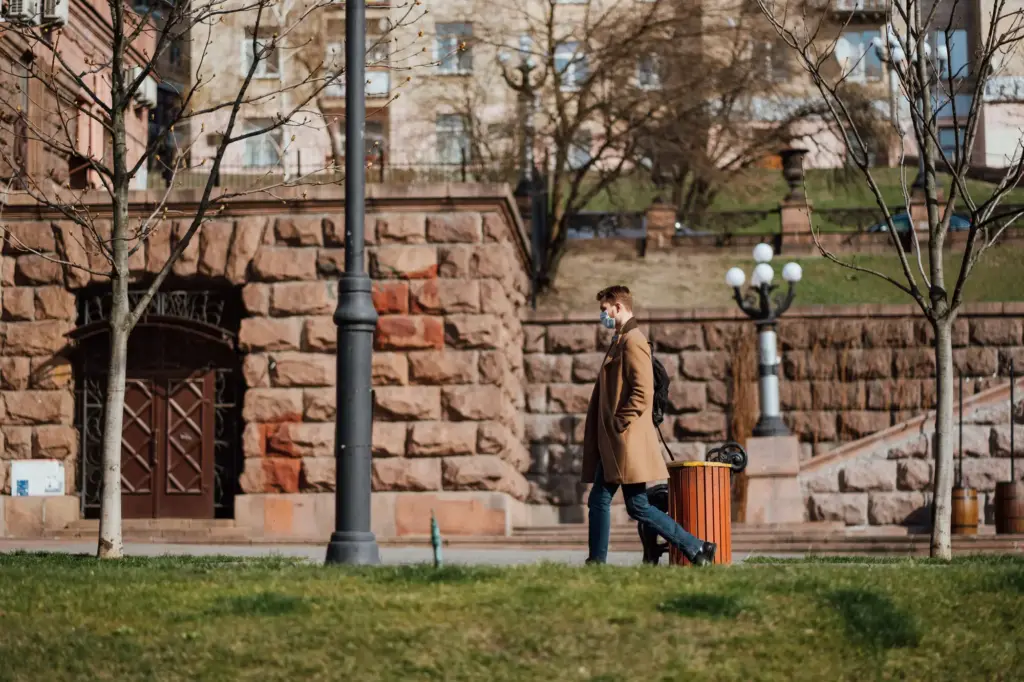
Light frames with vines or removable textiles create fast, affordable shade that breathes. Perforated or high-albedo fabrics cool without turning alleys into caves. Inspired by Mediterranean toldos, modular spans can cross narrow streets, transforming glaring lanes into lively ribbons of pattern and breeze. Build in maintenance plans for tensioning, cleaning, and winter removal. Pair with ground plantings to cool air through evapotranspiration, amplifying comfort with living, restorative textures.

Gentle Breezes, Not Dust Storms: Wind Craft at Pedestrian Scale
Using Porous Screens and Green Hedges as Wind Filters

Research shows windbreaks work best with partial porosity, often around forty to sixty percent. Slatted wood, perforated metal, or dense shrubs diffuse force and extend a calmer zone downwind. Install them where gusts habitually kick up—near transit stops, alley mouths, and open plazas. Combine with seating oriented back-to-wind so conversations feel easy. Maintenance matters: trimmed hedges and cleaned panels keep performance reliable through seasons and storms.

Taming Downdrafts from Tall Buildings with Setbacks and Pods

Sheer facades can spill high-speed air onto sidewalks. Podium setbacks, canopies, and articulated corners catch and redirect flow before it slams into people. Even modest projections shift comfort dramatically, especially near tower entrances. Pair geometry with street trees and screened vestibules for layered effects. Field-test using handheld anemometers and ask doormen, cyclists, and vendors where wind bites hardest. Their lived maps often outsmart the cleanest simulations.

Seasonal Wind Wisdom: Cooling in Summer, Shelter in Winter

A single block can host both breezy corridors and quiet sun pockets. In summer, open cross-street paths to promote ventilation; in winter, nudge seating into south-facing niches that block prevailing winds. Removable panels, planters on casters, and fabric screens support seasonal reconfiguration. Post temporary wayfinding guiding people to the most comfortable spots, turning weather knowledge into public service. Comfort grows when residents see their feedback shape micro-adjustments.

Cool Pavements Without the Blinding Glare

Reflective pavements can cut surface temperatures significantly, but unmanaged glare pushes people back into shadows. Choose aggregate mixes, matte sealants, or open-graded options that brighten without searing eyes. Pilot a single crosswalk or plaza patch, then survey passersby at different hours. Phoenix trials showed cooling success with mixed public reactions; iteration and shade pairing solved much of the discomfort. Comfort is a recipe, not one magic ingredient.

Evapotranspiration as Air-Conditioning You Can Walk On

Soils that breathe and plantings that drink create microbursts of cool air around roots and leaves. Permeable pavers direct stormwater toward tree basins, fueling this natural air-conditioning. Layer species with varied leaf textures to increase surface area for evaporation. In drought-prone areas, incorporate sub-surface irrigation and mulch to stretch every drop. People rarely notice the hidden plumbing, but they immediately feel the kinder air above healthy planting beds.

Time Is a Design Material: Hour-by-Hour, Season-by-Season

The same intersection needs different comforts at eight in the morning and three in the afternoon. Map sun paths, event calendars, school dismissals, and delivery cycles. Layer movable shade with fixed canopy, and transparent windscreens with open passages. A winter reading nook can become a summer art wall. When elements pivot smoothly with the calendar, residents feel the street anticipating them, and trust grows alongside comfort metrics.

Morning Routes, School Queues, and Coffee Lines

Early hours favor low sun angles and gentle breezes. Target east-facing sidewalks with slim canopies or tree clusters that soften glare without darkening storefronts. Mark waiting zones with cooler pavements and shaded benches sized for strollers. Coordinate with schools and cafes so lines form under cover rather than spilling into exposed curb lanes. Small shifts ripple outward, smoothing routines and quietly improving safety near crosswalks and bike racks.

Midday Heat Refuges with Indoor–Outdoor Transitions

At noon, mean radiant temperature dominates. Pair shaded stoops and arcades with nearby indoor refuges where cooled air is shared responsibly. Libraries, lobbies, and markets can host open-door moments and hydration stations. Post clear signage so visitors know relief is steps away. Transition zones with plants and fans avoid shock from hot sidewalk to cold interior, protecting health while encouraging browsing, reading, and lingering civic life.

Evening Breezes, Night Glow, and Maintenance Windows

As pavements slowly release stored heat, comfort recovers unevenly. Encourage air flow with open corridors and avoid overlit facades that trap insects and add glare. Warm-tone, shielded lighting invites strolling without overheating. Schedule maintenance—filter changes, mister checks, pruning—during cooler nights so morning starts clean. Invite neighbors to share nightly observations, turning walks with dogs or friends into a living dataset that guides small, continuous improvements.

People Power: Partnerships, Upkeep, and Measurable Wins

Comfort sticks when neighbors co-own it. Merchants align awning colors, residents water new trees, agencies adjust bus shelters, and volunteers log shade patterns. Share simple dashboards: surface temps, shaded minutes, wind comfort days. Celebrate changes with pop-up events under newly comfortable corners. When everyone sees and feels progress, momentum builds. Maintenance budgets and spare parts become predictable line items instead of annual surprises and last-minute scrambles.

Adopt-a-Tree and Watering Crews that Keep Canopies Thriving

The fastest way to lose shade is to neglect young trees. Organize block captains with watering carts, mulch days, and simple texting groups for heat waves. Pair stewardship with small incentives from cafes or markets. Post discreet tags explaining species, expected canopy spread, and care routines. As survival rates climb, so do smiles and midday foot traffic. People rally around visible growth that returns comfort every season.

Block Compacts with Landlords and Shopkeepers

Written agreements align awning maintenance, sidewalk furniture, mist schedules, and planter responsibilities. Clear standards prevent clutter while encouraging creativity. Include rainy-day drainage checks and wind-strap inspections. When one storefront updates, neighbors follow, compounding comfort gains along the entire block. Publish a one-page guide with drawings, suppliers, and permit steps. Predictable, friendly rules shrink friction, turning great intentions into dependable, shared microclimate care year after year.

Sensors, Surveys, and Story Maps to Track Comfort

Low-cost sensors can log surface temperatures, humidity, and wind, but human stories complete the picture. Invite residents to drop pins on a digital map where they seek shade or feel battered by gusts. Cross-check with data and tweak designs. Publish before-and-after images at bus stops. The combination of numbers and memories convinces skeptics and champions alike, making the case for funding the next block’s upgrades.

Try It Tomorrow: Small Pilots with Big Payoffs

Pick the glaring corner everyone complains about and test three overlapping shade ideas: a fabric span, a vine-wrapped frame, and coordinated umbrellas. Use infrared thermometers and quick interviews to capture how comfort shifts hour by hour. Invite kids to color shade paths on paper maps. The data and smiles together create a compelling mandate to make the best-performing elements permanent before next summer arrives.
Set up slatted panels at various angles near a gusty crosswalk and rotate benches to different orientations. Measure wind speed at sitting height, then ask readers to rate conversation ease and paper stability. You will learn quickly how small tweaks transform chaos into a pleasant breeze. Document layouts that work and share a downloadable playbook, turning a one-day experiment into a replicable kit for neighboring blocks.
Install a modest test patch of high-albedo paving beside a textured, medium-tone alternative. Log surface temperatures and capture glare photos at multiple times. Interview delivery drivers, cyclists, and seniors about visibility and comfort. If reflection bothers pedestrians, add a narrow band of planting or a shallow shade frame. Publish the findings, invite comments, and keep iterating until the balance between cooling and visual ease feels right.