Walking Easy After Sunset
Tonight we explore After-Dark Comfort: Lighting, Safety, and Wayfinding for Nighttime Streets, revealing how humane illumination, reassuring sightlines, and intuitive cues transform uneasy stretches into welcoming corridors. Expect field-tested tips, heartfelt stories, and practical checklists you can apply on your next neighborhood night walk, and please share your own experiences.

See Faces, Read Space

Vertical illumination at eye level helps us recognize faces and intentions, which matters far more for comfort than flooding asphalt. Aim light onto portals, seating, and signage, balancing uniformity so shadows do not feel like traps. Invite strolling and pausing, not squinting and hurrying away.

Color That Calms, Not Glares

Lower color temperatures around 2700–3000K reduce harsh blue scatter, soften skin tones, and protect sleep cycles for nearby homes. High color rendering helps read symbols and food menus. Choose shielded optics that glow gently, proving safety can arrive with warmth instead of icy, high-beam aggression.

Safety You Can Feel, Not Just Measure
Numbers on a pole rarely comfort a nervous walker; patterns, people, and predictable movement do. Safety emerges when blank walls become active edges, corners open to view, and routes feel cared for. Design should whisper you belong here, even when the clock slips past midnight.

Wayfinding That Works in the Dark

After sunset, navigation leans on more than arrows. We stitch together landmarks, pavement textures, light rhythms, and words we can actually read. When cues agree across layers, routes feel shorter, detours feel obvious, and getting lost becomes a story, not a crisis. Share your mapping tricks.

Tech Without the Hype

Smart systems should feel humane, not perform like stage lighting. Sensors that fade gently, schedules that respect nightlife, and backups for outages matter more than novelty. Protect privacy, publish settings openly, and invite residents to vote on dimming windows. Trust grows when transparency guides technology.

Adaptive Dimming That Respects People

Occupancy sensors that ramp over three to ten seconds avoid startle responses while still saving energy. Layer pedestrian detection with transit schedules so platforms never go dim. Share the logic online, and let neighbors adjust trial settings during a community night walk before citywide deployment.

Data With Dignity

Collect only what you truly need. Blur faces, delete pass-by logs quickly, and process patterns at the edge rather than sending streams to clouds. Post contact details on poles. A privacy promise beside each sensor can be more reassuring than another bright fixture.

Places for Everyone

Comfort after dark is also equity in motion. Consider women walking with keys ready, elders judging curbs, cyclists scanning potholes, and kids learning independence. Small decisions about light levels, contrast, and clutter can unlock participation for many who currently choose a ride over a stroll.

Low Vision, High Confidence

Boost contrast at curb ramps, add tactile edges at platform drops, and maintain continuous, shadow-free faces along handrails. High color rendering reveals pavement hazards and text on elevator buttons. Center lived experience by inviting low-vision neighbors to test mockups and sign off before procurement.

Caregivers and Late-Shift Workers

Light transit stops, childcare entrances, and late-shift paths with gentle consistency that avoids strobe effects from traffic. Provide seating where sightlines extend, not hidden alcoves. Add bike parking under warm light by doors. Reliability here reduces paid rides and gives tired hands a moment’s grace.

Listening Sessions After Dusk

Host evening walk audits, phone-in surveys, and pop-up prototypes where neighbors vote with their footsteps. Borrow security guards’ routes and delivery workers’ wisdom. Capture stories from teens and elders. When many voices shape choices, more people feel invited to own the street after sunset.

Maintenance and Metrics That Matter
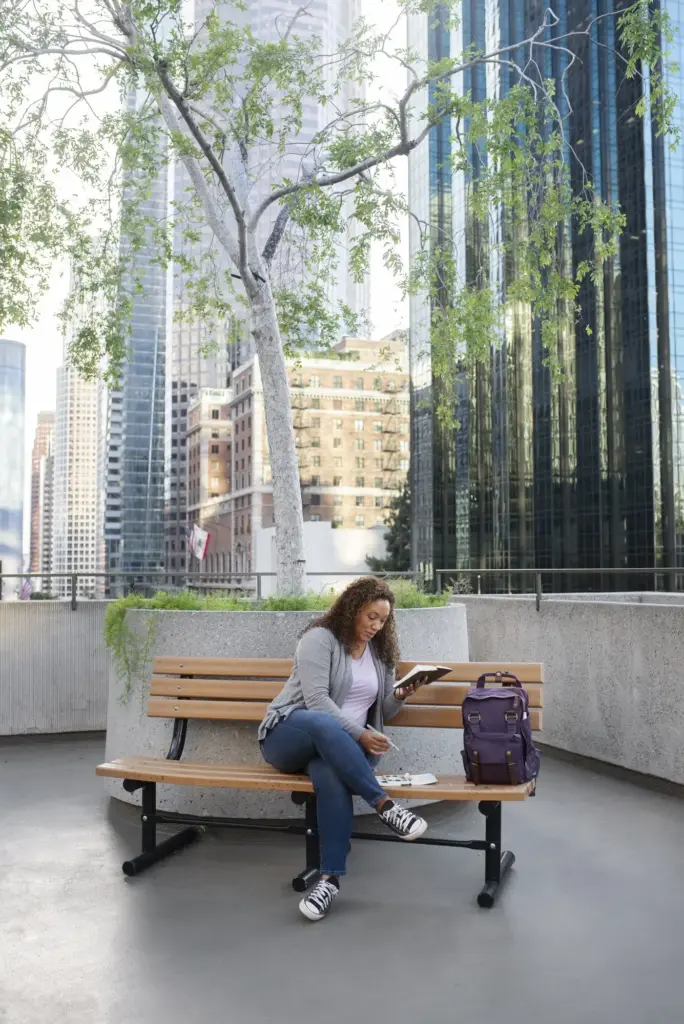
Promises need upkeep. Clean lenses, fix outages fast, and retire angry glare that crept in through replacements. Measure what humans perceive, not only what spreadsheets track. Share dashboards and night-ride hotlines. When residents see responsiveness, trust grows, and evening walks begin to multiply.

Audit Nights, Not Just Spreadsheets

Walk the corridor with a mixed team after dark, pausing where bodies tense up. Record brightness ratios, glare points, noisy transformers, and confusing signs. Pair notes with photos and resident quotes. Publish the map and invite comments, then fix three quick wins within weeks.

Metrics That Tell Human Stories

Track vertical illuminance at 1.5 meters, pavement evenness, near-miss reports, and perceived safety from regular surveys. Uniformity ratios and spectral power distribution tell a richer story than raw lumens. When data echoes people’s stories, budgets follow, and pilot blocks graduate into connected networks.