Small Places, Big Welcome: Turning the Curb into a Living Room

Today we dive into pocket parks and parklets, showing how converting curbside space into comfort can reshape daily routines, spark neighborly conversations, and renew small businesses. We will unpack design moves, permitting tips, funding ideas, global examples, and maintenance realities. Bring your questions, share photos of your block, and subscribe for deep dives, tools, and ready-to-use checklists.

From Parking Stall to Neighborhood Stage
A single-day pop-up outside a bakery began with two planters, a borrowed bench, and chalk art. Within hours, a guitarist arrived, toddlers danced, and regulars lingered. That weekend experiment persuaded skeptical merchants to co-sponsor a permanent installation that now anchors weekly story time.

Human-Scale Benefits Backed by Data

Cities evaluating curb-lane conversions repeatedly record double-digit jumps in foot traffic, longer seated stays, and steadier midday sales. Crash rates tend to drop where calmer edges shorten crossing distances and signal care. Intercept surveys consistently show nearby residents reporting greater comfort, perceived safety, and a stronger sense of belonging.

The Psychology of the Pause

Brief, predictable places to rest reduce cognitive load and encourage spontaneous micro-interactions that stitch social fabric. Framed views and gentle edges provide refuge while preserving outlook, satisfying deep human preferences for prospect and safety. Even five minutes on a sunny perch improves moods and encourages repeat visits.

Edges, Greenery, and Sightlines

Low planters and railings signal welcome without forming walls, protecting visitors from traffic while keeping eye contact with storefronts and friends across the street. Native plant mixes cool pavement, absorb noise, and draw pollinators, turning a gray ribbon into a resilient pocket habitat that changes through the seasons.

Seating That Fits Real Bodies

Mix perch rails, standard-height benches with backs, moveable chairs, and a higher leaning edge for quick chats. Consider armrests that aid standing, wheelchair companion spaces with clear floor area, and kid-friendly corners. Orientation toward people-watching and sun patches ensures comfort without sacrificing safe flows or access needs.

Permits, Policies, and Practical Approvals
Navigating City Departments

Book a pre-application meeting, bring scaled drawings, and ask how deliveries, bus stops, utilities, and fire routes shape approvals. Traffic engineers will check lane widths and visibility; accessibility reviewers will flag cross-slope and gaps. Leave with a checklist, target dates, and a shared understanding of responsibilities.

Liability, Insurance, and Agreements

Book a pre-application meeting, bring scaled drawings, and ask how deliveries, bus stops, utilities, and fire routes shape approvals. Traffic engineers will check lane widths and visibility; accessibility reviewers will flag cross-slope and gaps. Leave with a checklist, target dates, and a shared understanding of responsibilities.

Standards for Accessibility and Safety

Book a pre-application meeting, bring scaled drawings, and ask how deliveries, bus stops, utilities, and fire routes shape approvals. Traffic engineers will check lane widths and visibility; accessibility reviewers will flag cross-slope and gaps. Leave with a checklist, target dates, and a shared understanding of responsibilities.

Materials, Fabrication, and Maintenance

Build for quick installation and easier upkeep. Modular decks align with curbs, tolerate heavy footfall, and survive spilled coffee and winter grit. Choose finishes that handle sun and salt, specify tamper-resistant hardware, and design components that can be replaced overnight so operations never lose momentum.

Stories from the Curb: Global Snapshots

Across continents, quick-build spaces near the curb have matured from experiments to reliable neighborhood anchors. Each city adapts materials and rules to local climate, culture, and logistics. Learning from both missteps and breakthroughs helps shorten your path from idea to ribbon, and from novelty to beloved routine.

San Francisco’s Early Experiments

Sparked by Park(ing) Day and the Pavement to Parks program, café-led installations proved a curb bay could host neighbors instead of fenders. Merchants tracked steadier afternoons, artists found micro-stages, and the city codified simple design guides that enabled dozens more to appear across diverse districts.

New York’s Street Seats and the Lunch Rush

Street Seats showed that well-managed platforms with planters, clear edges, and timed deliveries can thrive even on busy avenues. Office workers grabbed shade, families paused between errands, and maintenance partners rotated duties. Winter storage plans preserved components, reducing costs and speeding spring reopenings at prime corners.

Funding, Partnerships, and Measurable Outcomes
Most projects blend modest grants, merchant sponsorships, and in-kind labor. Early wins come from clarity: a transparent budget, a named steward, and a maintenance plan. Sharing before-and-after counts, photos, and quotes converts skeptics, strengthens renewals, and helps other blocks copy what works without reinventing process or paperwork.

Start Here: A Friendly Roadmap for Your Block
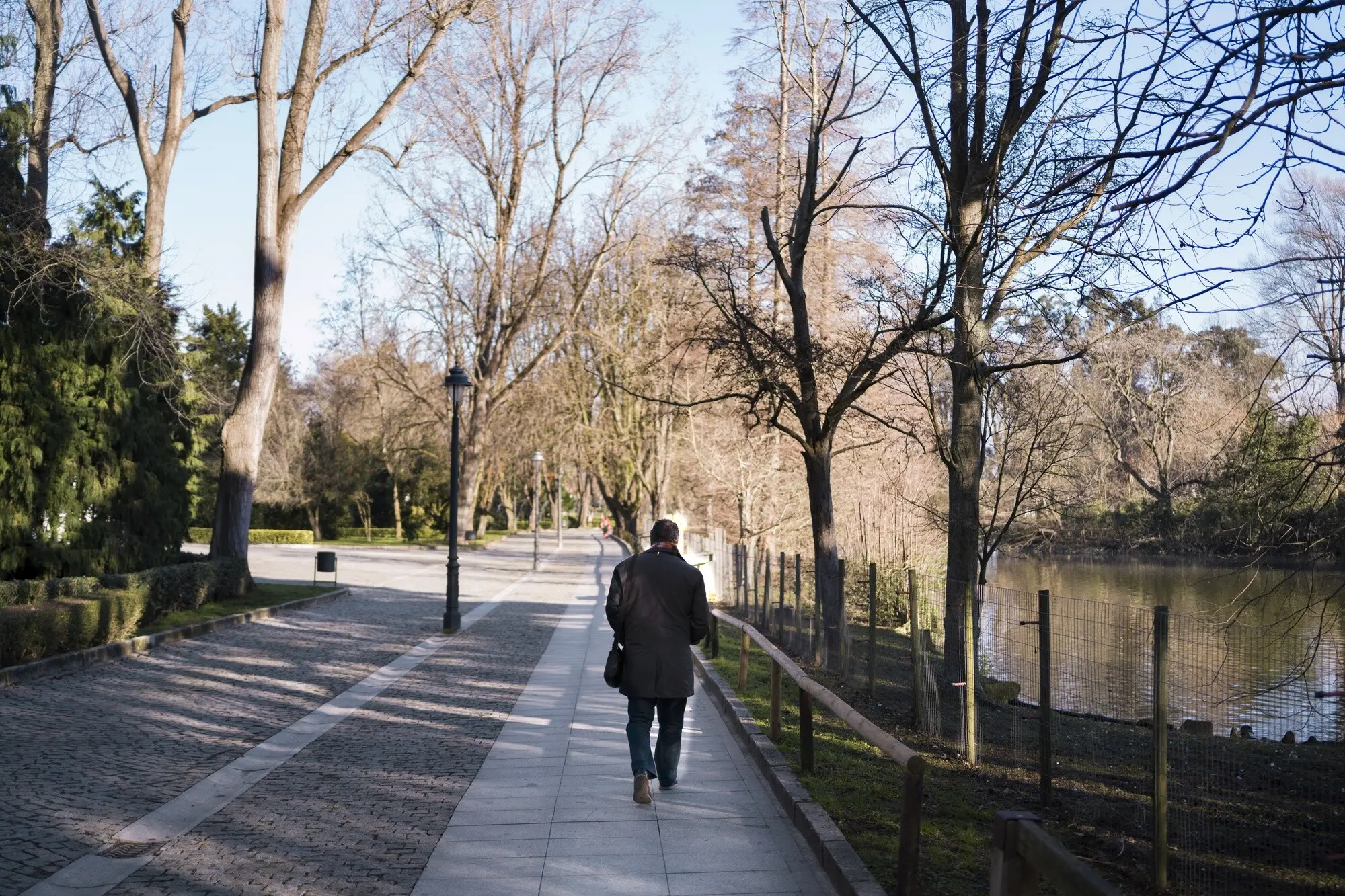
Begin with a walk at different times of day, noting sun, shade, and where people already pause. Talk with neighbors and adjacent businesses, sketch concepts, and gather letters of support. Pilot a temporary setup, learn from feedback, iterate confidently, and subscribe for tools, templates, and inspiring case studies.