Cooler Blocks, Kinder Breezes: Street-Level Microclimate Design
Reading the Street: Heat, Light, Air, and People
Urban Heat Island, Explained Simply
Cities absorb sunlight and release it slowly, turning walls and asphalt into overnight heaters. That stored energy raises nighttime temperatures and shortens recovery windows. On a busy block, shade trees, cool pavements, and water-sensitive landscaping interrupt the storage cycle. The effect is noticeable: shaded surfaces can be tens of degrees cooler than exposed ones, inviting errands, conversations, and safer trips for elders and kids during hot spells.
Why Shade Lowers Mean Radiant Temperature More Than Air Thermometers Suggest
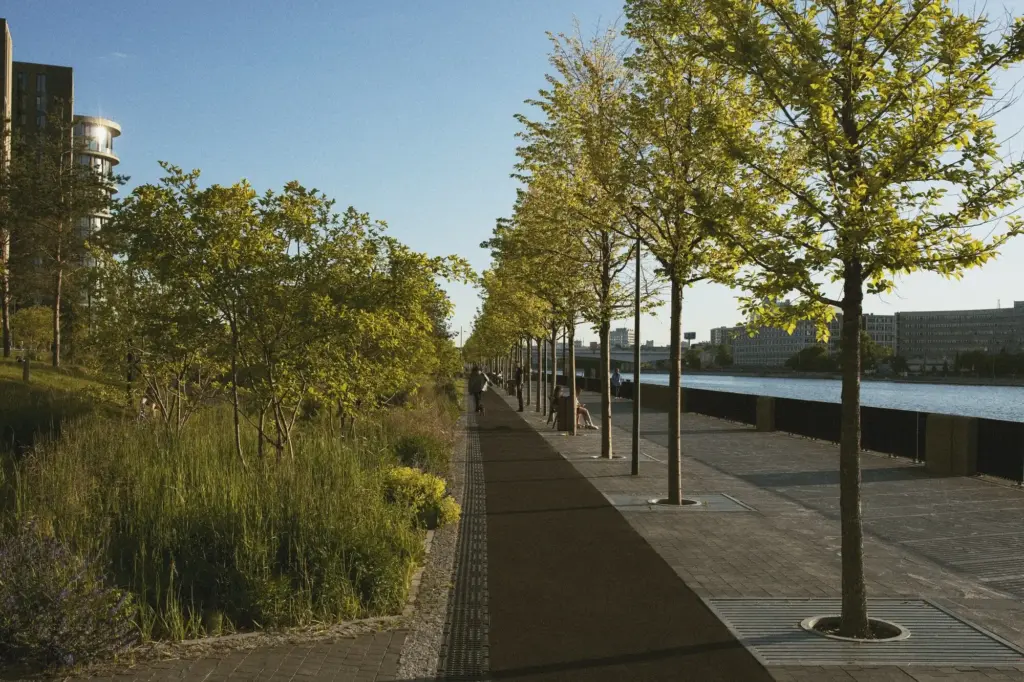
Comfort is not only air temperature. Our skin negotiates radiant energy blasting from sun and hot facades. Dense, well-placed shade reduces mean radiant temperature sharply, often more than it drops the air reading. That’s why a pergola or leafy canopy can feel dramatically cooler than a bare corner with the same forecast. The right height, width, and orientation of shade structures determine how much relief bodies actually sense.
Choosing and Spacing Street Trees for Maximum Canopy
Awnings and Arcades That Welcome Light Without the Glare
Pergolas, Climbers, and Seasonal Fabric Canopies
Gentle Breezes, Not Dust Storms: Wind Craft at Pedestrian Scale
Using Porous Screens and Green Hedges as Wind Filters
Taming Downdrafts from Tall Buildings with Setbacks and Pods
Seasonal Wind Wisdom: Cooling in Summer, Shelter in Winter
Cool Pavements Without the Blinding Glare
Evapotranspiration as Air-Conditioning You Can Walk On
Time Is a Design Material: Hour-by-Hour, Season-by-Season
Morning Routes, School Queues, and Coffee Lines
Midday Heat Refuges with Indoor–Outdoor Transitions
Evening Breezes, Night Glow, and Maintenance Windows
People Power: Partnerships, Upkeep, and Measurable Wins
Adopt-a-Tree and Watering Crews that Keep Canopies Thriving
The fastest way to lose shade is to neglect young trees. Organize block captains with watering carts, mulch days, and simple texting groups for heat waves. Pair stewardship with small incentives from cafes or markets. Post discreet tags explaining species, expected canopy spread, and care routines. As survival rates climb, so do smiles and midday foot traffic. People rally around visible growth that returns comfort every season.
Block Compacts with Landlords and Shopkeepers
Written agreements align awning maintenance, sidewalk furniture, mist schedules, and planter responsibilities. Clear standards prevent clutter while encouraging creativity. Include rainy-day drainage checks and wind-strap inspections. When one storefront updates, neighbors follow, compounding comfort gains along the entire block. Publish a one-page guide with drawings, suppliers, and permit steps. Predictable, friendly rules shrink friction, turning great intentions into dependable, shared microclimate care year after year.
Sensors, Surveys, and Story Maps to Track Comfort
Low-cost sensors can log surface temperatures, humidity, and wind, but human stories complete the picture. Invite residents to drop pins on a digital map where they seek shade or feel battered by gusts. Cross-check with data and tweak designs. Publish before-and-after images at bus stops. The combination of numbers and memories convinces skeptics and champions alike, making the case for funding the next block’s upgrades.
Try It Tomorrow: Small Pilots with Big Payoffs

All Rights Reserved.